Thoughts on neighborhood investment, economic mobility, and the future of Pittsburgh’s communities
By: Presley Gillespie, President and CEO, Neighborhood Allies | June 8, 2026
 Recently, I came across a quote often attributed to Steve Jobs about leadership. The idea was simple: while anyone can point out what feels broken today, leadership requires imagining what is possible tomorrow.
That idea has been on my mind lately because it reflects how I think about neighborhood change.
Today, much of the conversation about Pittsburgh’s future is centered on downtown. That conversation matters. But the long-term strength of our city depends just as much on the health of its neighborhoods.
The question isn’t whether we should invest in neighborhoods.
The question is how.
Too often, neighborhood improvement follows one of two paths. Places become more desirable, but the people who built those communities struggle to remain part of their future. Or we focus entirely on stabilizing households without creating the broader economic conditions that generate opportunity over the long term.
I believe those approaches create a false choice.
Neighborhoods shouldn’t improve at the expense of the people who live there.
They should improve because of them, for them, and with them.
That means neighborhood investment should do two things at the same time: grow the market and lift the people who are already there.
Growing Neighborhood Economies
Growth matters.
Strong neighborhoods need investment, businesses, housing, and community assets that create value over time. But investment shouldn’t simply be measured by what gets built.
We should also ask who benefits.
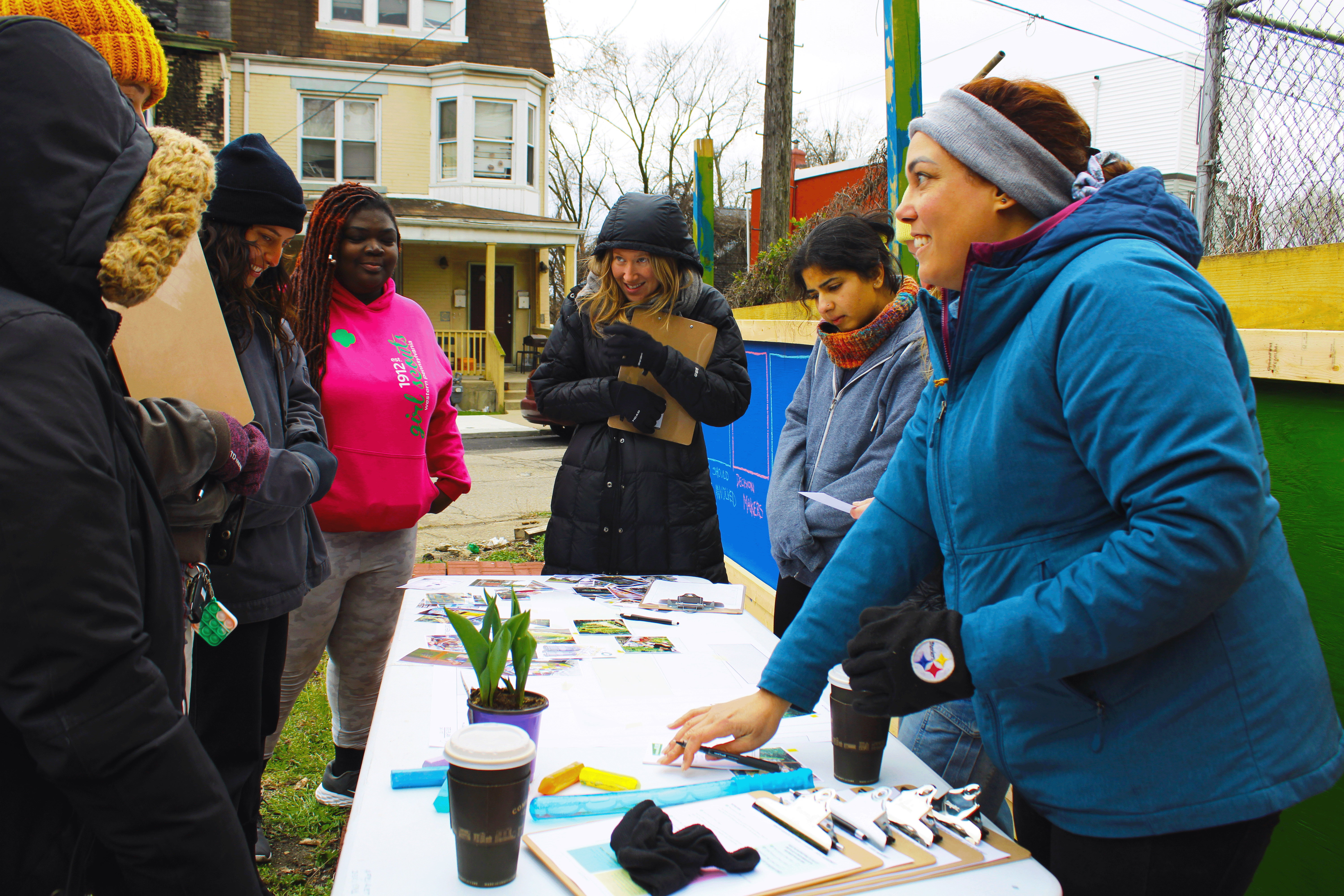
At Neighborhood Allies, we’ve seen the impact of community-led development that prioritizes long-term ownership and local stewardship. When residents and community organizations help shape investment, neighborhoods don’t just experience growth. They build wealth and resilience.
The goal isn’t development for development’s sake.
The goal is creating neighborhood economies where value is shared.
Economic Mobility as the Bridge
Physical investment alone isn’t enough.
If residents aren’t financially positioned to benefit from neighborhood change, growth can quickly become pressure instead of opportunity.
Economic mobility is what connects neighborhood revitalization to long-term stability.
That means helping people reduce debt, improve credit, increase savings, and build assets. It means ensuring that families have the financial foundation to remain in the communities they call home and participate in the opportunities that growth creates.
Stronger markets matter.
Stronger households matter too.
Aligning Systems for Lasting Impact
One of the biggest challenges in community development isn’t a lack of good ideas.
It’s misalignment.
Government has priorities.
Philanthropy has priorities.
Community organizations have priorities.
The private sector has priorities.
Most of the time, everyone is working toward the same outcomes, but from different angles, with different timelines, funding streams, and measures of success.
The result is that we celebrate individual projects, but often struggle to create lasting, systemic change.
A significant part of Neighborhood Allies’ role is helping align those efforts around a common goal: creating neighborhoods where people can build wealth, opportunity, and stability.
Sometimes that means bringing capital to the table.
Sometimes it means connecting the right partners.
Sometimes it means helping systems work better together.
That work isn’t always visible.
But more often than not, it’s what makes everything else possible.
The Opportunity Ahead
Communities don’t thrive because of a single investment or a single organization.
They thrive when people, place, and systems move in the same direction.
That’s why I believe the future of neighborhood investment isn’t simply about funding projects. It’s about designing ecosystems where growth creates opportunity, where revitalization builds wealth, and where the people who call these neighborhoods home can stay and benefit as change unfolds.
If we want stronger neighborhoods, we have to invest in the conditions that make long-term prosperity possible.
And if we want a stronger city, we have to start by strengthening the neighborhoods that make it possible.